Babe, wake up, they’re making phone cases for smart glasses now.
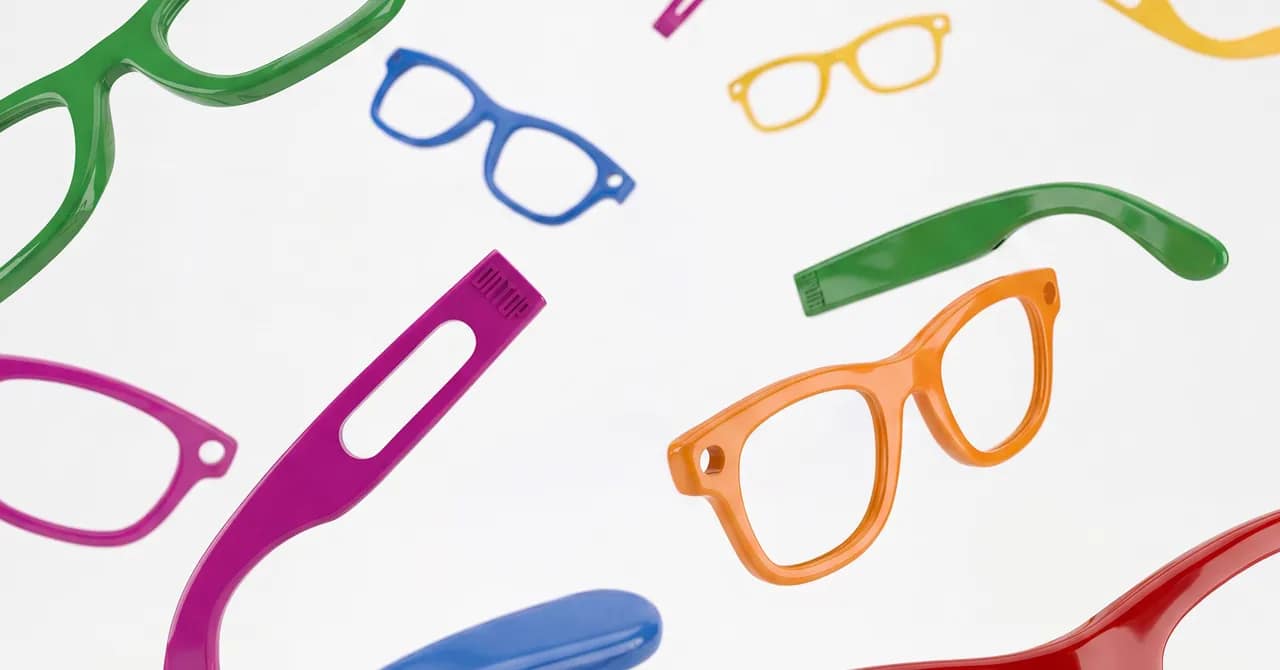
A suite of bright clip-on frame covers for Meta’s Ray-Ban smart glasses are the first product from Lorika, an Italian startup that has described itself as “a team of entrepreneurs under 30.” They’re called Ontop because they go—you guessed it—on top of the glasses frames.
The covers are polycarbonate plastic frames, with elastic polymers woven in for stability. One piece clips around the lens and covers the hinges that connect to the glasses’ arms. The others slap onto the arms. They don’t cover the glasses’ cameras or speakers. The covers are one millimeter thick, though clipping them onto the glasses does give them a noticeably chunkier look. The result is a brightly colored, deliberately loud look. They’re available today and cost $35 or $40 depending on the model.

Courtesy of Lorika
“If you want something else, something different on design, something more chubby, more puffy, you can get that,” says Giorgio Di Cesare, CEO of Lorika.
Lorika does not have any official collaboration with Meta. Meta did not immediately respond to WIRED’s request for comment.
“I’m not saying they can’t make smart glasses, because obviously they can better than everybody,” Di Cesare says. “But they have a lot to improve, and we want to improve that.”
Smart glasses have come a long way from the days when anyone who wore them looked like a giant dork and was dubbed a Glasshole. To understand why fashion is so important, you merely have to look at the launch of Snap’s new AR Specs. They’re powerful devices, but the main thing people immediately noticed about them is that they were extremely expensive and looked very silly. They are so big and unwieldy that their frames squished the ears of Snap CEO Evan Spiegel while he wore them.
Meta, with the help of its partnership with glasses mega-conglomerate EssilorLuxottica, has all but nailed the fashion of the glasses game. For the most part, they look like regular glasses, which helps normalize wearing them in daily life but has also led to rising public animosity and concern toward them given that the devices can be abused by creeps. Still, Meta has clearly led the industry, while other companies, like Google, are following its lead by collaborating with fashion-forward eyewear manufacturers such as Warby Parker and Gentle Monster.