
Showing internationally has been pivotal to its success. Before showing in Paris, the brand had just 10 international retail accounts, including a handful of stores in South Korea and online with Mr Porter, who put in large orders early. “Our first season in Paris added just a few more, but over the following two seasons, that number doubled,” says Kanae Arai, Iwai’s wife who heads up communications for the brand. Auralee’s international growth continued to progress smoothly during the pandemic, and enjoyed a strong uptick in 2023, which the brand attributes to the post-Covid shopping boom. Auralee currently employs approximately 50 people, consisting of around 20 corporate employees and 30 store staff.
While agenda-setting independent retailers — or “benchmark stores” as Iwai calls them — like C’H’C’M in New York and Mouki Mou in London helped establish Auralee abroad, its wholesale roster of big multi-brand names now forms the backbone of the business. The brand does 80% of its sales through over 100 stockists globally, including department stores like Harrods and Liberty, as well as Net-a-Porter, Farfetch, and Ssense. The remaining share goes to direct-to-consumer (DTC), with 15% through physical retail (the brand has a flagship store in Tokyo’s Aoyama neighborhood) and 5% through its own e-commerce channel.
More physical retail is on the horizon, and one of the brand’s main focuses in the coming years will be an expansion of its stores, with flagships in major cities. “We’d like to open stores in Paris and more in Japan, but we haven’t found the right property yet,” says Iwai, adding that he plans to open in Osaka and Paris within the next five years.
.jpg)
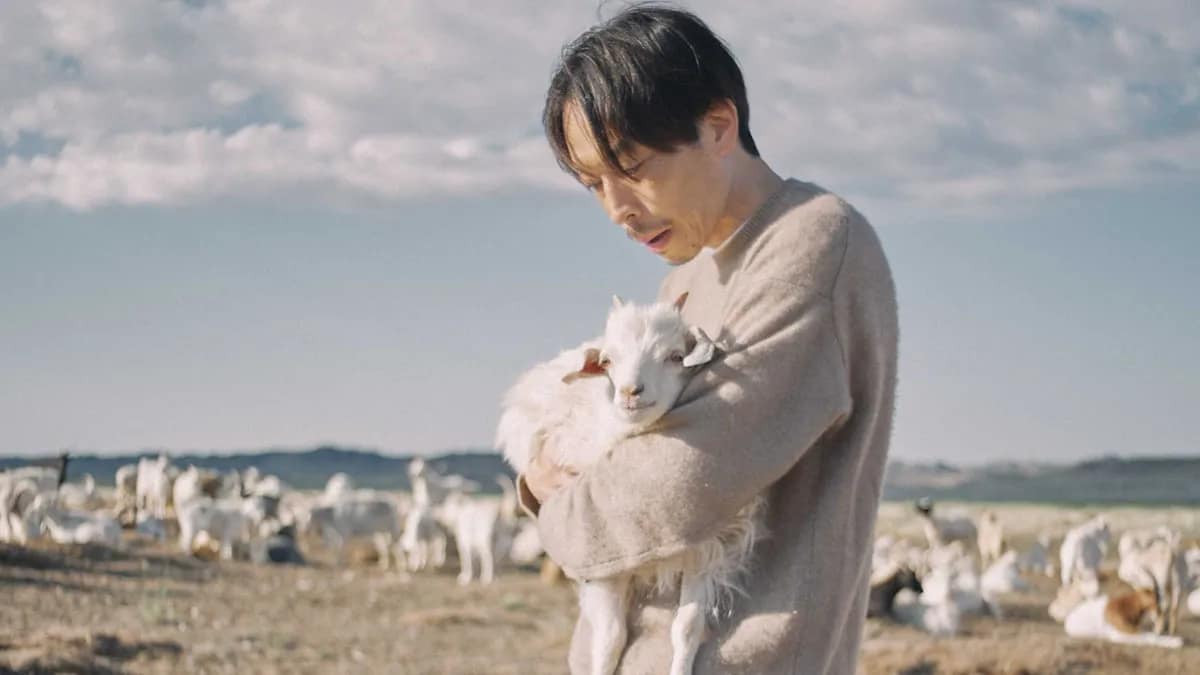
Photo: Courtesy of Auralee
For a ‘Made in Japan’ label like Auralee, however, this success can have its limits, and the fragility of its supply chain is increasingly coming into focus. Domestic factories are struggling to stay open due to factors such as an ageing population and labor shortages, as many craftspeople reach retirement without finding a successor to pass on their skills and knowledge to. “It’s the issue I’m most concerned about,” he says. “Certain things that could be done five years ago are no longer possible [because factories have closed].”