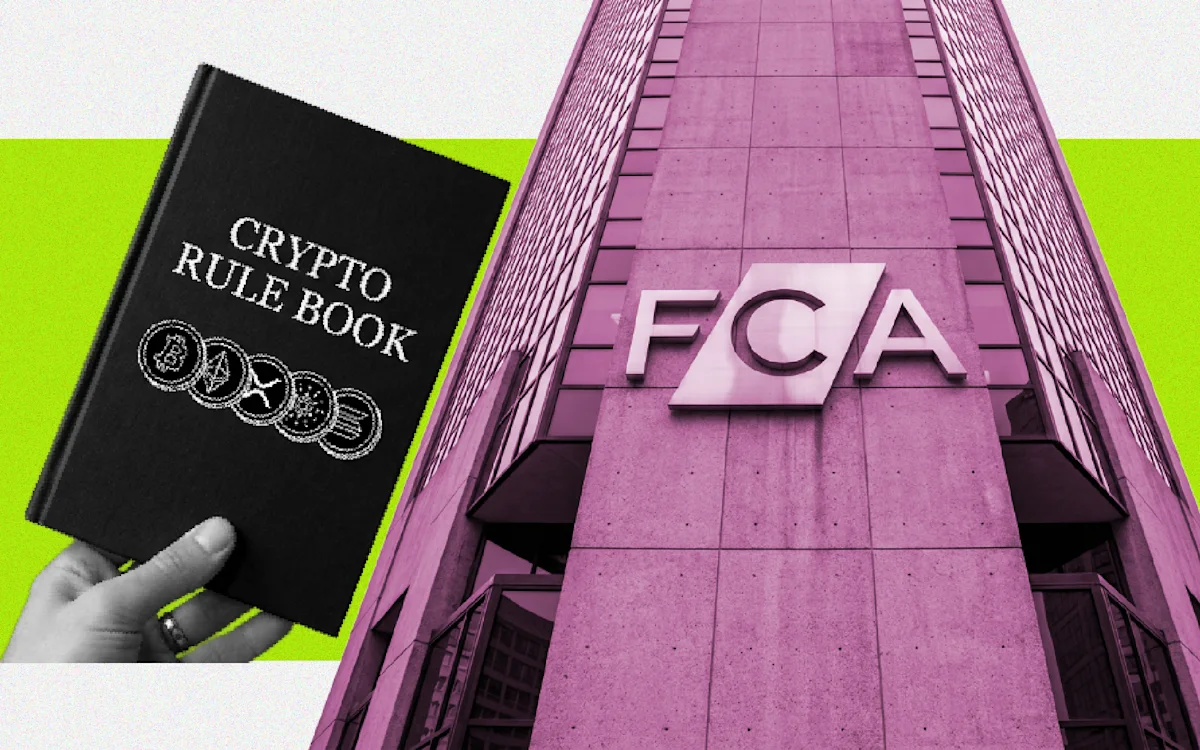
FCA Finalizes Crypto Rulebook: Stablecoin Capital Rules Cut From 2% to 1%
Key Takeaways
-
FCA finalizes UK crypto rulebook, with applications opening September 30, 2026.
-
Stablecoin issuer capital requirement cut from 2% to 1% after industry feedback.
-
The UK framework mirrors MiCA broadly but keeps a separate national regulatory path.
The UK’s Financial Conduct Authority has finalized its long-awaited cryptoasset regulatory framework, bringing exchanges, custodians, trading platforms, lenders and stablecoin issuers under a single licensing regime. The rulebook, finalized June 29 to 30, 2026, marks the most sweeping overhaul of UK digital asset oversight to date.
The package introduces new standards for governance, consumer protection, custody, market integrity and operational resilience, pulling much of the crypto industry closer to the rules already applied to banks and traditional investment firms.
Firms can apply for authorization between September 30, 2026, and February 28, 2027, and existing anti-money laundering (AML) registrations will not transfer automatically. The full regime takes effect October 25, 2027.
Capital Requirement Halved After Pushback
The most closely watched change is a cut to the capital requirement for non-systemic stablecoin issuers, reduced from 2% to 1% of issued value following industry consultation. Sterling-backed stablecoins remain under FCA supervision, while larger, systemically important stablecoins fall to the Bank of England. Crypto firms will also face annual stress tests using internally designed models, submitted to the FCA for review.
David Geale, the FCA’s executive director for payments and digital finance, said the UK now has a comprehensive crypto framework covering trading, custody, consumer protection and risk management. He said the package applies the same core principles used across financial services, so equivalent risks draw equivalent regulatory treatment.
Parallel to MiCA, Not a Copy
Elisenda Fabrega, general counsel at Brickken, told CCN the FCA framework should be read as running alongside Europe’s Markets in Crypto-Assets regulation (MiCA) rather than diverging from it.
“The FCA’s new framework is broadly aligned with MiCA in its direction of travel,” Fabrega said. “Both regimes seek to bring cryptoasset service providers, custody, trading platforms, stablecoins, market integrity and consumer protection within a clearer regulatory perimeter.”
She said the distinction is not about scope but about positioning. “The difference is not that the FCA regulates areas that MiCA does not,” Fabrega noted. “The FCA framework should be understood as a parallel regime: similar in substance, but designed to give the UK its own regulatory pathway and to support its ambition to remain a competitive global hub for digital assets.”